
What Does a Residential Junk Removal Service Take—and What Won’t They Take?
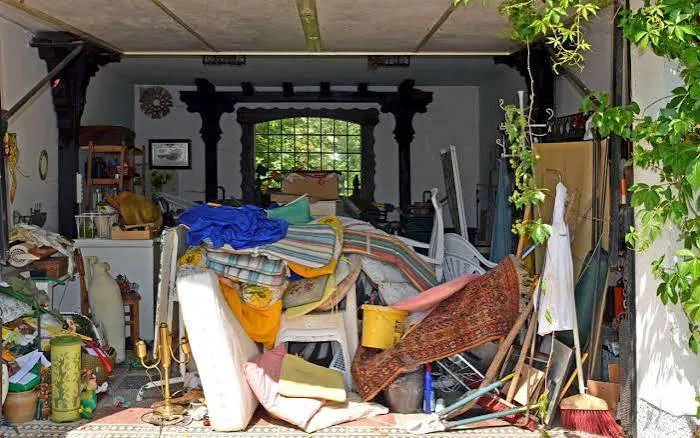
Getting rid of unwanted household items sounds simple until you start looking at everything sitting in your garage, basement, attic, spare room, or backyard. A broken appliance may be easy to identify as junk, but what about an old mattress, half-used paint can, television, lawn equipment, or boxes of renovation leftovers?
That is where residential junk removal can make the process much easier. Professional crews commonly handle bulky household items, furniture, appliances, mattresses, electronics, general clutter, and many other non-hazardous materials. However, not everything from a home can legally or safely go into a removal truck.
Understanding the difference before scheduling a pickup can save time, prevent surprises, and help you prepare your items properly.
What Do Residential Junk Removal Services Usually Take?
Most residential junk removal services are designed around everyday, non-hazardous household items. The exact list varies between companies and locations, but several categories are commonly accepted.
Furniture and Household Clutter
Old couches, tables, chairs, dressers, bookcases, bed frames, cabinets, and other unwanted furniture are among the most common items removed from homes.
A professional crew may also handle miscellaneous household clutter such as:
- Old boxes and unwanted belongings
- Broken household items
- Shelving and storage pieces
- Toys and sporting goods
- Bagged household junk
- Moving leftovers
- General garage or basement clutter
If furniture is too large to move through a doorway, crews may be able to disassemble it when doing so allows safe removal.
Appliances
Many residential junk removal services also accept unwanted household appliances. Common examples include refrigerators, freezers, washers, dryers, dishwashers, ovens, and similar large appliances.
However, appliance removal is not always as simple as carrying the item outside. Refrigerators and other equipment can contain components or materials requiring specific disposal procedures. A reputable company should confirm what it accepts before pickup rather than assuming every appliance can be handled the same way.
Mattresses and Bedroom Items
Old mattresses, box springs, bed frames, and related furniture are frequently included in residential junk removal service offerings.
This can be particularly useful during a move, bedroom renovation, downsizing project, or home cleanout. Because disposal requirements can vary, homeowners should still confirm mattress acceptance when booking.
Electronics and Televisions
Televisions, monitors, entertainment equipment, cables, and other electronics are also commonly accepted by junk removal companies. Some providers separate electronic waste for appropriate recycling or specialized processing rather than treating it like ordinary household trash.
Older televisions can be especially inconvenient because of their size and weight. Asking about electronic disposal before pickup helps ensure the item goes through the appropriate channel.
What Won’t a Residential Junk Removal Company Take?
The most important distinction is usually hazardous versus ordinary household junk.
A residential junk removal service may decline materials that create health, environmental, transportation, or disposal risks. Competitor acceptance lists commonly exclude fuels, automotive fluids, pesticides, wet paint, chemicals, pressurized containers, biohazard materials, and similar hazardous waste.
Hazardous Chemicals and Flammable Materials
Do not assume a junk truck can take anything sitting in your garage.
Commonly restricted materials include:
- Gasoline and other fuels
- Motor oil and antifreeze
- Pesticides and herbicides
- Solvents and thinners
- Certain cleaning chemicals
- Wet paint and paint-related chemicals
- Pool chemicals
- Flammable liquids
These products may require disposal through a household hazardous-waste program or another approved facility rather than conventional junk hauling.
Pressurized Containers
Propane cylinders, compressed-gas containers, and other pressurized items can present serious handling risks. Many removal companies therefore exclude them from standard pickups.
If you have one of these items, tell the company before the appointment. Never hide restricted materials inside boxes or bags.
Biohazard and Medical Waste
Standard junk hauling is not the same as biohazard remediation. Sharps, medical waste, contaminated materials, animal waste, and other biohazard items may require specialized handling. Several residential junk providers specifically exclude these materials.
If something presents a biological hazard, ask about the appropriate specialized disposal option instead of placing it with ordinary household junk.
What About Heavy or Difficult Items?
Weight and accessibility can also affect whether something is accepted.
A company may remove a piano, treadmill, large cabinet, hot tub, or other bulky item, but the specific job can depend on its size, location, access, and the equipment available. Some providers specifically state that items too massive to lift safely are excluded.
This is why residential junk removal near me should not simply mean choosing the first company that appears in search results. Before booking, describe unusual or oversized items clearly.
For example, mention if the item is:
- In a basement with stairs
- Inside a narrow room
- Behind a fence or gate
- On an upper floor
- Attached to another structure
- Extremely heavy or difficult to maneuver
That information helps the removal company determine whether the job can be handled safely.
Can They Take Renovation and Yard Debris?
Many companies accept certain types of non-hazardous construction debris and yard waste, but this is another category where policies differ. Competitor service lists commonly include materials such as wood, drywall, carpeting, branches, and other cleanup debris.
Still, hazardous building materials, contaminated debris, chemicals, and certain specialized materials may be excluded.
If you are completing a renovation, do not simply assume everything left behind qualifies as household junk. Ask what materials are accepted before the crew arrives.
What Should You Do Before Booking?
The easiest way to avoid confusion is to make a quick inventory.
Separate items into three groups:
- Ready for removal — furniture, appliances, boxes, mattresses, electronics, and other ordinary unwanted items.
- Items requiring confirmation — unusually heavy objects, construction debris, tires, large outdoor structures, or specialty materials.
- Restricted materials — chemicals, fuels, medical waste, biohazards, and other hazardous products.
If you are searching for residential junk removal near me, use your first conversation with the company to confirm the questionable items rather than discovering restrictions when the crew arrives.
Why Professional Residential Junk Removal Services Can Be Easier
The value of professional residential junk removal services is not simply having someone take items away. A full-service crew can handle the physical work of lifting, carrying, loading, and hauling items that homeowners may struggle to move themselves.
That matters when clearing an entire room instead of removing one chair.
For larger cleanouts, ask how the company handles sorting, disposal, recycling, donations, bulky items, and materials they cannot accept. Some providers sort usable items for donation or recyclable materials for appropriate processing when practical.
The goal is a cleared space without creating a second problem at the disposal stage.
Conclusion
Most residential junk removal companies take a wide range of ordinary household items, including furniture, appliances, mattresses, electronics, boxes, general clutter, and selected yard or renovation debris. What they generally will not take are materials that require specialized hazardous-waste, medical-waste, environmental, or dangerous-goods handling.
The important detail is that acceptance policies are not universal. Before scheduling a pickup, provide an honest description of what you need removed. A quick confirmation can tell you whether your items are suitable for standard hauling, need special handling, or should go through another disposal program.
When you know the difference between everyday junk and restricted material, the entire cleanout becomes more predictable—and your unwanted belongings can leave your home without unnecessary hassle.